Crafting the Perfect Natural Wood Siding House: A Comprehensive Guide
Step into the world of natural wood siding houses, where eco-friendliness meets durability and aesthetic appeal. This guide offers a deep dive into the benefits, types of wood, installation process, and maintenance tips for creating your dream wood-clad home.
Benefits of Natural Wood Siding
Natural wood siding offers a range of benefits that make it a popular choice for homeowners looking for a sustainable and visually appealing option for their homes.
Environmental Advantages
Using natural wood siding is an environmentally friendly choice as wood is a renewable resource. Unlike synthetic materials, wood can be sustainably sourced and has a lower carbon footprint, making it a more eco-friendly option for siding.
Durability
- Natural wood siding is known for its durability and longevity, especially when properly maintained.
- When compared to materials like vinyl or aluminum siding, natural wood can withstand the elements better and is less prone to cracking or denting.
- With proper care and maintenance, natural wood siding can last for decades, adding value to your home.
Aesthetic Appeal
Natural wood siding adds warmth and character to a house, creating a timeless and inviting look. The natural grain and texture of wood can enhance the curb appeal of a home and increase its overall value.
Maintenance Requirements
- Regular maintenance is essential to keep natural wood siding in top condition.
- Tasks like cleaning, sealing, and staining may be necessary to protect the wood from moisture and UV damage.
- Proper maintenance can prolong the life of natural wood siding and preserve its beauty over time.
Types of Wood for Siding
When it comes to choosing the right wood for siding, there are several options available, each with its own unique characteristics and costs. Common types of wood used for siding include cedar, pine, and redwood. Let's explore the differences between these popular choices.
Cedar
Cedar is a popular choice for siding due to its natural resistance to decay, insects, and moisture. It is lightweight, easy to work with, and offers a beautiful natural finish. However, cedar siding tends to be more expensive compared to other wood options.
Pine
Pine is a cost-effective option for siding and is readily available. It can be treated to improve its durability and resistance to decay, but it is not as naturally resistant as cedar. Pine siding may require more maintenance over time compared to cedar or redwood.
Redwood
Redwood is known for its rich color and natural beauty, making it a sought-after choice for siding. Redwood is naturally resistant to decay and insects, making it a durable option for exterior applications. However, redwood siding tends to be one of the most expensive options due to its premium quality.Overall, the choice of wood species for siding can significantly impact the overall look and feel of your home.
Each type of wood offers a unique aesthetic and performance characteristics, so it's essential to consider your budget, maintenance requirements, and desired appearance when selecting the right wood for your siding project.
Installation Process for Natural Wood Siding
Installing natural wood siding on a house can enhance its aesthetic appeal and provide a durable exterior. The installation process involves several key steps to ensure proper placement and protection of the wood siding.
Preparation of Exterior Surface
Before installing natural wood siding, it is crucial to prepare the exterior surface properly. This includes cleaning the surface to remove dirt, debris, and any existing paint or finish. Additionally, the surface should be inspected for any signs of damage or rot, which should be repaired before proceeding with the installation.
- Pressure wash the exterior surface to remove dirt and grime.
- Repair any damaged or rotted areas to ensure a solid foundation for the wood siding.
- Apply a primer to the surface to improve adhesion and protect the wood.
Sealing and Finishing Techniques
Proper sealing and finishing techniques are essential to protect natural wood siding from moisture, UV rays, and other elements that can cause damage over time. Sealing the wood helps prevent water infiltration, while finishing adds a protective layer that enhances the wood's durability and appearance
- Apply a high-quality wood sealer to all surfaces of the wood siding to prevent moisture penetration.
- Choose a finishing product that is specifically designed for exterior wood surfaces and provides UV protection.
- Follow the manufacturer's instructions for application and reapplication of sealers and finishes to maintain the integrity of the wood siding.
Common Mistakes to Avoid
During the wood siding installation process, it is important to avoid common mistakes that can compromise the quality and longevity of the siding. By being aware of these pitfalls, homeowners can ensure a successful installation that will protect their investment for years to come.
- Avoid installing wood siding directly against the ground or concrete surfaces to prevent moisture absorption.
- Do not skip the step of priming the exterior surface before installing the wood siding, as this can lead to poor adhesion and premature deterioration.
- Avoid using nails that are too long or too short, as this can cause splitting or inadequate holding strength.
Maintenance and Care for Natural Wood Siding
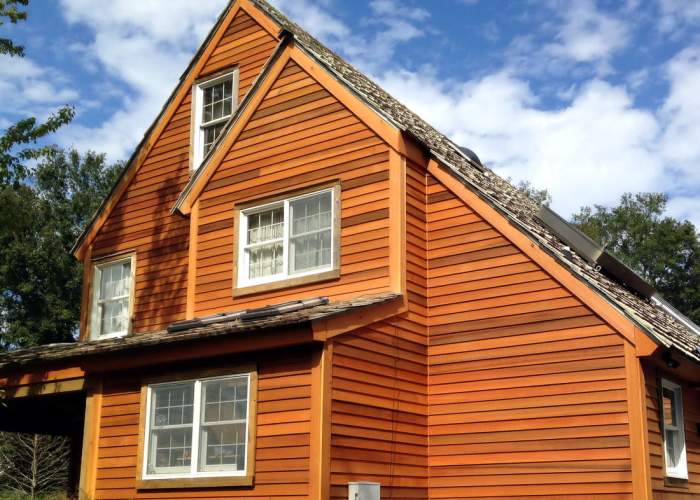
Regular maintenance is essential to preserve the beauty and durability of natural wood siding. By following some simple tasks and tips, you can ensure that your wood siding remains in top condition for years to come.
Cleaning and Protection
To clean natural wood siding, use a mild detergent and water solution with a soft brush or cloth. Avoid using harsh chemicals or power washers, as they can damage the wood. Regularly inspect and remove any mold, mildew, or dirt build-up to prevent long-term damage.
Applying a protective finish or stain every few years can help protect the wood from harsh weather elements like sun, rain, and snow. This will also enhance the natural color and grain of the wood, adding to its visual appeal.
Lifespan and Factors Affecting Longevity
Natural wood siding can last for several decades if properly maintained. The lifespan of wood siding depends on factors such as the type of wood used, climate conditions, exposure to sunlight, and regular maintenance. By addressing these factors, you can extend the life of your wood siding.
Common Issues and Solutions
- Rot: Inspect wood siding regularly for signs of rot, such as soft spots or discoloration. Replace any damaged or rotted boards promptly to prevent further spread.
- Pests: Protect wood siding from pests like termites by applying insecticides or using pest-resistant wood types. Seal any cracks or gaps where pests can enter.
- Discoloration: To prevent discoloration, regularly clean and maintain the wood siding. Apply a UV-resistant finish to protect the wood from sun exposure.
Outcome Summary
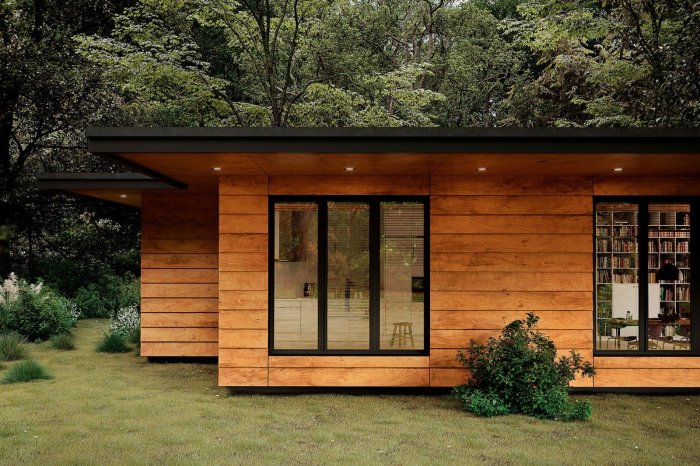
In closing, natural wood siding houses stand out as a timeless choice, blending charm with functionality. With proper care and attention, your wooden abode is sure to exude warmth and character for years to come.
FAQs
What are the environmental benefits of natural wood siding?
Natural wood siding is biodegradable, renewable, and has a lower carbon footprint compared to other materials like vinyl or aluminum.
Which wood species is most durable for siding applications?
Cedar is known for its natural resistance to rot and insects, making it a popular choice for long-lasting siding.
How often should natural wood siding be maintained?
Regularly inspect and clean the siding, apply protective finishes every few years, and address any issues promptly to ensure longevity.
Can pests damage natural wood siding?
Yes, pests like termites can pose a threat to wood siding. Ensure proper sealing and address any infestations promptly.