Crafting Spaces: The Dynamic Duo of Architect and Interior Designer
As architect and interior designer take center stage, this opening passage beckons readers into a world crafted with good knowledge, ensuring a reading experience that is both absorbing and distinctly original. From defining their roles to exploring the collaborative process, this topic delves into the fascinating realm of architectural and interior design.
Introduction to Architects and Interior Designers
Architects and interior designers play crucial roles in creating functional and aesthetically pleasing spaces. While both professionals are involved in designing buildings, they have distinct expertise and focus areas.
Architects are responsible for the overall design and structure of a building. They consider factors like safety, building codes, and functionality. On the other hand, interior designers focus on the interior spaces, including furniture, finishes, and decor elements that enhance the look and feel of a space.
Importance of Collaboration
Collaboration between architects and interior designers is essential for successful projects. By working together, they can ensure that the exterior and interior design elements complement each other seamlessly. This collaboration results in cohesive and well-designed spaces that meet both aesthetic and functional requirements.
Education and Training
Becoming an architect or an interior designer requires a specific educational path and training to acquire the necessary skills and knowledge.
Architect
To become an architect, individuals typically need to complete a professional degree in architecture, such as a Bachelor of Architecture (B.Arch) or a Master of Architecture (M.Arch) from a program accredited by the National Architectural Accrediting Board (NAAB). This education provides a solid foundation in architectural history, design principles, construction technology, and building codes.
Additionally, aspiring architects usually participate in internships or practical training to gain hands-on experience in the field.Architects are also required to obtain a license to practice, which involves passing the Architect Registration Examination (ARE) and meeting the experience requirements set by the state licensing board.
Continuing education is often necessary to maintain licensure and stay current with developments in the field.
Interior Designer
Similarly, becoming an interior designer typically involves completing a degree program in interior design, interior architecture, or a related field. This can be a Bachelor of Fine Arts (BFA) or a Bachelor of Science (BS) in Interior Design. The curriculum covers topics such as space planning, color theory, materials and finishes, and furniture design.Interior designers may choose to pursue certification through organizations like the Council for Interior Design Qualification (CIDQ) by passing the NCIDQ exam.
While certification is not always required, it can demonstrate a designer's expertise and professionalism to clients and employers.
Skills Acquired
Both architects and interior designers develop a range of skills during their education and training. These include:
- Strong design sense and creativity
- Technical proficiency in drafting and computer-aided design (CAD)
- Knowledge of building codes and regulations
- Ability to collaborate with clients, contractors, and other professionals
- Project management and organizational skills
- Understanding of sustainable design principles
Overall, the education and training for architects and interior designers prepare them to create functional, aesthetically pleasing spaces that meet the needs of their clients while adhering to industry standards and regulations.
Design Process
Both architects and interior designers follow a structured design process to create functional and aesthetically pleasing spaces. While there are similarities in their approaches, there are also key differences that set them apart.
Steps Involved in the Design Process for Architects
Architects typically follow these steps in the design process:
- Programming: Understanding the client's needs and project requirements.
- Schematic Design: Developing initial design concepts and layouts.
- Design Development: Refining the concept, specifying materials, and preparing construction documents.
- Construction Documentation: Creating detailed drawings and specifications for construction.
- Construction Administration: Overseeing the construction process to ensure the design is implemented correctly.
How Interior Designers Approach the Design Process Differently
Interior designers focus on the interior environment of a space and how it will be used. Their design process involves:
- Concept Development: Creating a design concept based on the client's needs and preferences.
- Space Planning: Determining the layout of furniture, fixtures, and equipment within the space.
- Material Selection: Choosing finishes, fabrics, and furniture that complement the design concept.
- Documentation: Creating drawings and specifications for construction or installation.
- Project Management: Overseeing the implementation of the design to ensure it meets the client's expectations.
Collaboration Between Architects and Interior Designers
Architects and interior designers often collaborate on projects to create cohesive designs that integrate both the exterior and interior spaces seamlessly. They work together to:
- Coordinate design elements: Ensuring that architectural features and interior finishes complement each other.
- Enhance functionality: Integrating interior layouts with architectural structures to optimize space usage.
- Consider aesthetics: Creating a harmonious design that reflects the client's vision and style preferences.
- Address technical requirements: Collaborating on building systems, lighting, and acoustics to enhance the overall design.
Project Scope and Responsibilities
When it comes to a project, architects and interior designers play distinct yet complementary roles in bringing a client's vision to life. Let's explore the scope of work and responsibilities of each professional in a project.
Architect’s Responsibilities
Architects are primarily responsible for the overall design and structure of a building. Their responsibilities include:
- Creating initial building designs and blueprints
- Ensuring compliance with building codes and regulations
- Overseeing construction progress and quality
- Collaborating with engineers and contractors
Interior Designer’s Responsibilities
Interior designers focus on creating functional and aesthetically pleasing interior spaces. Their responsibilities include:
- Selecting color schemes, furniture, and decor
- Creating interior layouts and designs
- Collaborating with architects to ensure interior spaces align with the overall design
- Managing project timelines and budgets for interior elements
Collaboration between Architects and Interior Designers
Architects and interior designers often work closely together to ensure that the exterior and interior of a building harmonize seamlessly. They collaborate by:
- Sharing design concepts and ideas to create a cohesive vision
- Coordinating on materials, finishes, and spatial layouts
- Resolving any design conflicts or challenges that may arise during the project
- Ensuring that the final project meets the client's needs and expectations
Styles and Trends
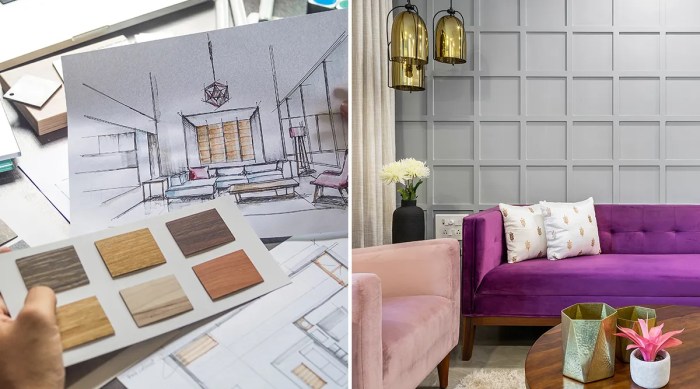
Architects and interior designers are constantly influenced by the evolving styles and trends in the design world. They must stay updated with the latest architectural innovations and interior design trends to create spaces that are both functional and aesthetically pleasing.
Architectural Styles
Architects work with a variety of architectural styles, each with its own unique characteristics and influences. Some of the common architectural styles that architects work with include:
- Modern: Known for its clean lines, open spaces, and minimalistic approach.
- Traditional: Embraces classic design elements, symmetry, and rich detailing.
- Contemporary: Incorporates current design trends and materials to create a fresh and innovative look.
- Industrial: Features raw materials, exposed structures, and a utilitarian aesthetic.
- Mid-Century Modern: Characterized by a retro style, organic shapes, and a blend of traditional and modern elements.
Interior Design Trends
Interior designers also incorporate various design trends into their projects to keep up with the changing preferences of clients. Some popular interior design trends include:
- Biophilic Design: Integrating natural elements like plants and natural light into interior spaces for a connection to nature.
- Sustainable Design: Using eco-friendly materials and practices to promote environmental consciousness.
- Minimalism: Embracing simplicity, clean lines, and a clutter-free look in interior spaces.
- Maximalism: Bold colors, patterns, and textures used to create visually rich and expressive interiors.
- Smart Home Technology: Incorporating technology to enhance comfort, convenience, and efficiency in residential spaces.
Adapting to Changing Styles and Trends
Architects and interior designers need to be flexible and adaptable when it comes to changing styles and trends in the design industry. They often blend different styles, incorporate new materials, and experiment with innovative techniques to meet the evolving needs of their clients.
By staying informed and open to new ideas, architects and interior designers can create timeless designs that stand the test of time.
Tools and Technologies
Architects and interior designers utilize a variety of tools and technologies to enhance their design process and streamline their work.
Essential Tools and Software for Architects
- Computer-Aided Design (CAD) software such as AutoCAD and Revit for creating detailed 2D and 3D models of buildings.
- Building Information Modeling (BIM) software for collaborative design and construction planning.
- Rendering software like V-Ray and Lumion for creating realistic visualizations of projects.
- Project management tools like Asana or Trello for organizing tasks and timelines.
- Physical tools such as scale rulers, drafting boards, and model-making materials for hands-on design work.
Technologies for Interior Designers
- Virtual Reality (VR) and Augmented Reality (AR) tools for immersive client presentations and space planning.
- Interior design software like SketchUp, Chief Architect, and Autodesk Homestyler for creating layouts and color schemes.
- Digital mood boards and collaboration platforms like Milanote or Pinterest for sharing design inspiration with clients.
- Lighting design software for simulating different lighting schemes and effects in interior spaces.
Comparison of Technology Usage
Architects primarily use software for creating detailed building designs and collaborating with construction teams, while interior designers focus more on visualizing interior spaces and communicating design concepts to clients. Both professions leverage technology to improve efficiency, accuracy, and communication throughout the design process.
Final Review
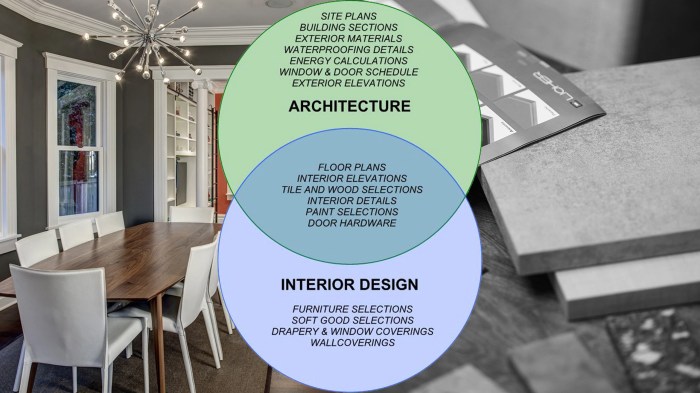
In conclusion, the intricate dance between architects and interior designers unveils a harmonious blend of creativity and functionality. Their collaboration breathes life into spaces, transforming mere structures into captivating works of art that cater to the needs and visions of their clients.
Detailed FAQs
What is the main difference between architects and interior designers?
Architects focus on the overall design and structure of a building, while interior designers specialize in creating functional and aesthetically pleasing interior spaces.
What qualifications are needed to become an architect or interior designer?
Architects typically require a degree in architecture and a license to practice, while interior designers often need a degree in interior design and may pursue certifications.
How do architects and interior designers collaborate on projects?
Architects and interior designers work together to ensure that the exterior and interior design elements of a space complement each other seamlessly, creating a cohesive and harmonious final result.
Can architects and interior designers work on residential as well as commercial projects?
Yes, both architects and interior designers can work on a variety of projects including residential homes, commercial spaces, hospitality venues, and more.