Crafting Stunning Custom Home Exteriors: A Comprehensive Guide
Embark on a journey through the world of custom home exteriors, where creativity and personalization collide to create stunning living spaces that leave a lasting impression. From unique materials to sustainable practices, this guide delves into every aspect of designing the perfect exterior for your dream home.
Explore the various styles, design elements, and eco-friendly options that can elevate your home's curb appeal and reflect your individuality.
Types of Custom Home Exteriors
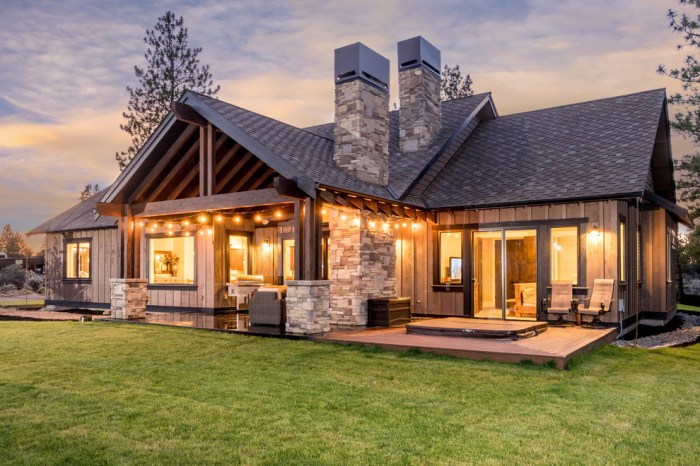
When it comes to custom home exteriors, there are various styles that homeowners can choose from to reflect their personal taste and preferences. Each style offers a unique aesthetic and appeal to the overall look of the home.
Modern Style
Modern custom home exteriors are characterized by clean lines, minimalistic design, and a focus on functionality. Materials such as glass, steel, and concrete are commonly used to achieve a sleek and contemporary look.
Traditional Style
Traditional custom home exteriors often feature classic architectural elements such as gabled roofs, columns, and symmetrical facades. Materials like brick, stone, and wood are commonly used to create a timeless and elegant appearance.
Farmhouse Style
Farmhouse custom home exteriors are inspired by rural homes and barns, featuring a combination of rustic and industrial elements. Board and batten siding, metal roofs, and front porches are typical features of farmhouse style exteriors.
Importance of Curb Appeal
Curb appeal plays a crucial role in custom home exteriors as it sets the tone for the entire property. A well-designed exterior not only enhances the visual appeal of the home but also increases its value and attracts potential buyers.
Investing in quality materials, landscaping, and architectural details can significantly improve the curb appeal of a custom home.
Custom Exterior Design Elements
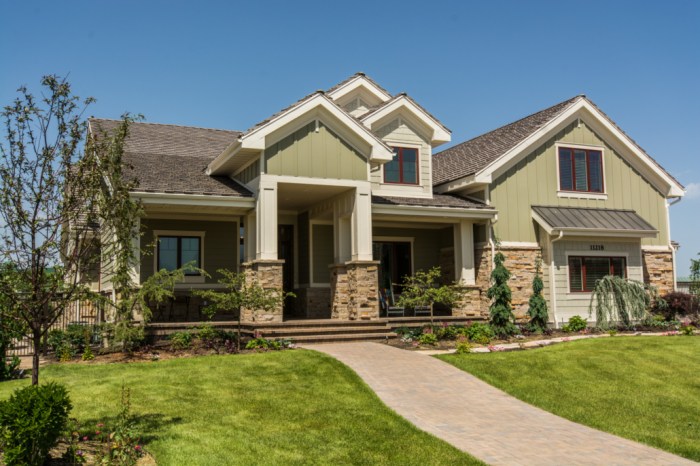
Landscaping plays a crucial role in enhancing custom home exteriors by adding curb appeal, creating a welcoming atmosphere, and connecting the home with its surroundings. Well-designed landscaping can complement the architectural style of the home, improve energy efficiency, and increase property value.
Architectural Features
Windows, doors, and roof styles are essential architectural elements that contribute to the overall design of custom home exteriors. Windows provide natural light, ventilation, and views, while doors serve as entry points and can make a statement with unique designs.
Roof styles not only protect the home from the elements but also add character and visual interest.
- Windows: Different window styles such as bay, casement, or picture windows can enhance the aesthetic appeal of the home while also providing functionality.
- Doors: Entry doors, garage doors, and patio doors can be customized to match the architectural style of the home and create a cohesive look.
- Roof Styles: Gable, hip, or flat roofs can impact the overall appearance of the home and should be chosen to complement the architectural design.
Colors and Textures
The use of colors and textures is vital in creating a cohesive exterior design that reflects the homeowner's style and complements the surrounding environment. The right combination of colors can highlight architectural features, while textures can add depth and visual interest to the exterior.
- Colors: Choosing a color scheme that harmonizes with the landscape, neighborhood, and architectural style can create a unified look for the home.
- Textures: Mixing materials such as wood, stone, brick, or stucco can add texture and dimension to the exterior, creating a visually appealing facade.
Sustainability and Energy Efficiency

When it comes to custom home exteriors, sustainability and energy efficiency play a crucial role in creating a more environmentally friendly living space. By incorporating eco-friendly materials and energy-efficient design techniques, homeowners can reduce their carbon footprint and lower utility costs.
Eco-Friendly Materials for Sustainable Exteriors
Using sustainable materials such as reclaimed wood, recycled metal, and fiber cement siding can help reduce the environmental impact of custom home exteriors. These materials are not only durable and long-lasting but also contribute to a healthier planet by minimizing waste and resource depletion.
Energy-Efficient Design Impact
Energy-efficient design elements, such as proper insulation, high-performance windows, and reflective roofing, can significantly reduce energy consumption in custom home exteriors. By maximizing natural light and ventilation, homeowners can decrease their reliance on artificial heating and cooling systems, leading to lower energy bills and a smaller carbon footprint.
Incorporating Sustainable Practices
- Install solar panels to harness renewable energy and reduce reliance on traditional power sources.
- Use permeable paving materials to reduce stormwater runoff and promote groundwater recharge.
- Opt for low-VOC paints and finishes to improve indoor air quality and minimize harmful emissions.
- Plant native vegetation and incorporate green roofs or living walls to enhance biodiversity and improve air quality.
Personalization and Customization
When it comes to custom home exteriors, personalization and customization play a crucial role in reflecting the homeowner's unique style and preferences. From choosing the right color palette to selecting specific design elements, homeowners have the opportunity to create a space that truly feels like their own.
Process of Customizing Exteriors
- Start by identifying your design aesthetic and preferred style, whether it's modern, traditional, eclectic, or minimalist.
- Consult with a professional designer or architect to discuss your ideas and get expert advice on how to achieve your vision.
- Select materials, textures, and finishes that align with your taste and overall design concept.
- Consider incorporating unique architectural details, such as custom trim work, decorative accents, or specialized lighting fixtures.
- Review and finalize the design plans to ensure that every aspect of the exterior reflects your personality and lifestyle.
Tips for Incorporating Personal Touches
- Choose a color scheme that resonates with you and complements the surrounding environment.
- Add personalized elements like custom signage, unique door hardware, or handcrafted features to make a statement.
- Consider landscaping and outdoor decor to enhance the overall curb appeal and create a cohesive look.
- Explore sustainable and energy-efficient options that align with your values and contribute to a greener lifestyle.
- Don't be afraid to think outside the box and experiment with unconventional design ideas to make your home stand out.
Concluding Remarks
In conclusion, custom home exteriors offer endless possibilities for homeowners to express their style and create a welcoming facade that stands out. By incorporating personal touches and sustainable practices, you can turn your house into a true reflection of your personality and values.
Query Resolution
What are some unique materials used in custom home exteriors?
Some unique materials include reclaimed wood, metal panels, and fiber cement siding, adding character to the exterior.
How can energy-efficient design impact custom home exteriors?
Energy-efficient design can lower utility costs and reduce environmental impact by using sustainable materials and technologies.
What is the significance of landscaping in enhancing custom home exteriors?
Landscaping plays a crucial role in creating a cohesive look, adding greenery, and enhancing the overall aesthetic appeal of custom home exteriors.