The Ultimate Guide to Commercial Painting Contractors
Exploring the world of commercial painting contractors, this introduction sets the stage for a deep dive into their crucial role in the construction industry. From the services they provide to the expertise required for different projects, this overview will paint a vivid picture of this essential profession.
Overview of Commercial Painting Contractors
Commercial painting contractors play a crucial role in the construction industry by providing professional painting services for commercial buildings and facilities. Their expertise ensures that the final finish is not only aesthetically pleasing but also durable and long-lasting.
Services Offered by Commercial Painting Contractors:
- Interior and exterior painting
- Surface preparation and repair
- Color consultation and selection
- Specialized coatings and finishes
- Protective coatings for high-traffic areas
Examples of Commercial Projects:
- Office buildings
- Retail stores and shopping centers
- Hotels and hospitality venues
- Hospitals and healthcare facilities
- Industrial facilities and warehouses
Qualifications and Skills
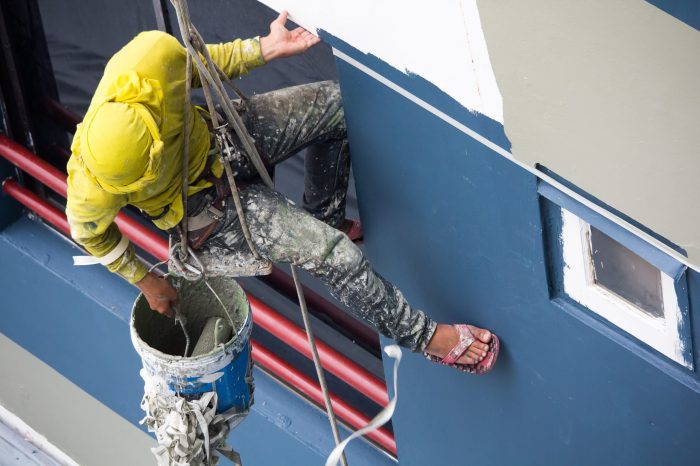
To work as a commercial painting contractor, there are specific qualifications and skills that are essential to ensure successful project completion.
Necessary Qualifications and Certifications
- Completion of a high school diploma or equivalent is typically required.
- Obtaining a painting contractor license may be necessary depending on the state or country regulations.
- Participating in training programs or apprenticeships to gain hands-on experience and knowledge in the field.
- Having knowledge of safety regulations and procedures to ensure a secure work environment.
Essential Skills for Successful Commercial Painting Projects
- Attention to detail to ensure precise and high-quality workmanship.
- Excellent color matching and blending skills for a seamless finish.
- Strong communication skills to interact effectively with clients and team members.
- Ability to work efficiently and meet deadlines within budget constraints.
Importance of Experience in Commercial Painting
Experience in the field of commercial painting is crucial as it provides contractors with the necessary expertise to handle various challenges that may arise during projects. Experienced painters are adept at problem-solving, understanding different surfaces and materials, and delivering exceptional results that meet client expectations.
Types of Commercial Painting Projects
Commercial painting contractors work on a variety of projects, each with its own set of challenges and requirements. Here are some common types of commercial painting projects:
Office Buildings
Office buildings often require a professional touch when it comes to painting. Contractors need to consider factors such as the size of the building, the type of paint needed for high-traffic areas, and the desired aesthetic appeal. They may also need to work around office hours to minimize disruption to employees.
Retail Spaces
Painting retail spaces involves creating an attractive environment that reflects the brand and attracts customers. Contractors must be mindful of foot traffic, display fixtures, and the need for a quick turnaround to ensure minimal downtime for the business. Attention to detail and precision are key in these projects.
Industrial Facilities
Industrial facilities have unique painting requirements due to the harsh working environments. Contractors need to use specialized coatings that can withstand chemicals, heat, and heavy machinery. Safety measures are also crucial in these projects to protect workers and ensure a quality finish that will last.Each type of commercial property presents its own set of challenges, requiring commercial painting contractors to adapt their approach accordingly.
From selecting the right materials to coordinating with other trades, these professionals must have the expertise and skills to deliver exceptional results in any project they undertake.
Tools and Equipment
Commercial painting contractors rely on a variety of tools and equipment to successfully complete projects
Essential Tools and Equipment:
- Paintbrushes and rollers
- Spray guns
- Drywall tools
- Sanding equipment
- Ladders and scaffolding
- Drop cloths and masking tape
Importance of High-Quality Tools:
Investing in high-quality tools and equipment ensures that commercial painting projects are completed efficiently and with precision. Quality tools help in achieving smooth finishes, reducing wastage of materials, and enhancing durability of the paint job.
Technological Advancements:
Technological advancements in painting tools have revolutionized the industry, leading to increased efficiency and improved quality in commercial painting projects. Tools like airless spray guns and digital color matching systems have streamlined the painting process, resulting in faster completion times and more accurate color replication.
Safety Regulations and Practices

Commercial painting contractors must adhere to various safety regulations to ensure a safe working environment. Safety practices are essential in preventing accidents and injuries that can occur during painting projects.
Common Safety Regulations
- Wearing appropriate personal protective equipment (PPE) such as goggles, gloves, and respirators.
- Following proper ventilation practices to minimize exposure to fumes and chemicals.
- Complying with OSHA guidelines for ladder safety and fall protection.
- Maintaining a clean and organized work area to prevent trips and falls.
Importance of Safety Practices
Safety practices in the workplace are crucial to protect the health and well-being of workers. By following safety measures, contractors can reduce the risk of accidents, injuries, and long-term health issues caused by exposure to hazardous materials.
Examples of Safety Measures for Commercial Painting Projects
- Conducting a thorough safety inspection of the work area before starting the project.
- Using proper scaffolding and ladders to reach high areas safely.
- Implementing a buddy system for tasks that require working at heights or in confined spaces.
- Providing safety training for all workers to ensure they are aware of potential hazards and how to mitigate risks.
Wrap-Up

In conclusion, commercial painting contractors play a vital role in bringing life and color to various commercial projects. Their skills, experience, and attention to detail are indispensable in creating visually stunning spaces that leave a lasting impression. Dive into the world of commercial painting contractors and discover the artistry behind the brush strokes.
FAQ Overview
What qualifications are required to become a commercial painting contractor?
To work as a commercial painting contractor, individuals typically need certifications in painting techniques, safety training, and knowledge of relevant regulations.
What are some common safety regulations for commercial painting contractors?
Commercial painting contractors must adhere to regulations regarding the use of protective gear, proper ventilation in work areas, and safe handling of chemicals.
How important is experience in the field of commercial painting?
Experience is crucial for commercial painting contractors as it helps them handle different project challenges, understand client needs, and deliver high-quality results.